Sermon Recap
From Isaiah 9, Pastor Justin Kendrick revealed how darkness and death's shadow can be transformed into abundant joy through the radical gift of Christmas. He explored the deep darkness in our lives that makes the gift of Christmas necessary, and how God’s gift comes as a joyful experience. Finally, he shared how God's greatest gift—Jesus Christ—must be actively received and opened through humility, lordship, and daily dependence. He concluded by encouraging listeners to consider the wonder of this truth.
Ice Breaker Option: What is the best, worst or funniest Christmas gift you ever received?
HEAD:
Read Isaiah 9:1-7
- What does this text tell us about the circumstances the Israelites faced at the time this was written?
- Isaiah describes times of rejoicing. Explain each of these illustrations. What do they all have in common?
- How does God plan to deliver his people? How does Isaiah describe the coming Messiah and what do we learn from these descriptions?
HEART
- What are forms of darkness that people experience today? What type of darkness have you experienced in your own life, and how has it affected your relationship with God?
- How do you respond to this statement? Does this accurately depict your inner posture with God? “The peace and the joy and the hope that are talked about in this Christmas story would become your peace and your joy and your hope to such a degree that inside of you, it would be like harvest season.”
- The sermon describes three steps to opening the gift of Christmas: humility, lordship, and dependence. Why are all three steps necessary, and what makes each one challenging?
HANDS — Go Deeper Together
(Choose one or two practices below)
“The deepest secret, to growing in Christ is this: look to Him. Set your gaze upon Him. Abide in Him, hour by hour. Draw strength from His love.” Dane Ortlund.
These practices help us move from understanding the gift of Christmas to actively receiving and opening it—allowing God to ignite within us the great reality and the great wonder of what He has done for us in Christ.
________________________________________
1. Name the Darkness, Receive the Light (Humility)
- Practice: Humility begins by honestly acknowledging our need. Take a few quiet moments to reflect on Isaiah 9:1–2.
- What “darkness” or “shadow” best describes a season or area of your life right now (fear, grief, sin, uncertainty, exhaustion, isolation)?
- How has this darkness affected the way you relate to God?
- Reflection Prompt: Humility says, “God, I need You.” Where have you been tempted to manage your darkness on your own instead of bringing it to Jesus?
- Action Step: Write a simple prayer of humility, such as: “God, this is where I’m walking in darkness. I need Your light here.”
- Group Option (Symbolic Response):
Place several candles in the center of the group and dim the lights if possible. Invite each person to silently name before God one area of darkness they are carrying (fear, grief, sin, uncertainty, weariness). As participants feel ready, invite them to come forward and light a candle, symbolizing Christ’s light breaking into that darkness.
After all who wish have lit a candle, read Isaiah 9:2 aloud together: “The people walking in darkness have seen a great light…” Close by thanking God in prayer that His light does not merely coexist with darkness—but overcomes it with joy, hope, and victory through Jesus.
________________________________________
2. Hand Over the Rules (Lordship)
- Practice: Lordship means recognizing that Jesus carries authority—and that we are not meant to.
Read Isaiah 9:6 aloud together, emphasizing the phrase: “And the government shall be upon His shoulders.” - Discussion:
- What does Isaiah mean by “the government”? What kinds of authority, power, or control does this represent?
- Where do you most feel the weight of trying to “carry the government” in your own life (decisions, outcomes, relationships, future, identity)?
- Reflection Prompt: Opening the gift of Christmas requires saying, “God makes the rules.”
- What is one area of your life where you are still acting as the final authority instead of trusting Jesus to lead?
- What fears or hesitations make surrendering control difficult? How does surrendering control feel risky—but also freeing?
- Action Step: Invite each person to silently name one burden or area of control they are carrying. Then pray this prayer together:
“Jesus, the government is on Your shoulders, not mine. I place __________ under Your rule this week.” - Optional Closing: End with a brief moment of silence, imagining the weight you’ve been carrying being placed onto Christ’s shoulders—strong enough to bear it fully.
________________________________________
3. Practice Daily Dependence (Receiving the Gift Fully)
- Practice: Dependence recognizes that Jesus meets the deepest needs of our hearts—not just once, but daily.
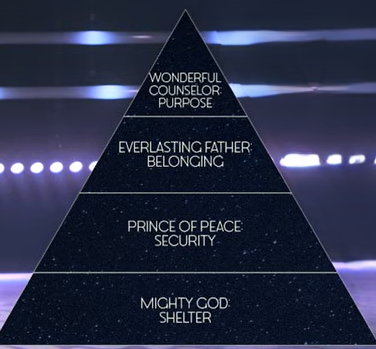
Reflect on the sermon’s connection between human needs and the names of Jesus:
- Personal Reflection:
- Which need feels most unmet in your life right now?
- How have you tried to meet this need apart from Christ?
- Action Step (Daily Practice): For the next week, begin each day by praying: “Jesus, today I depend on You as my __________.” (Choose one of His names that aligns with your need.)
- Group Prayer Option: Close by praying Isaiah 9:7 together, thanking God that His peace and joy are not temporary—but ever increasing as we depend on Him.
PRAYER
- Pray for the courage to accept the gifts God offers us in our lives.
- Ask God to help us identify areas where we are holding onto control instead of trusting Him.
- Seek guidance in sharing the light and joy of the season with those who feel lost or lonely.
- Thank God for His everlasting love and the hope that comes from faith in Jesus.